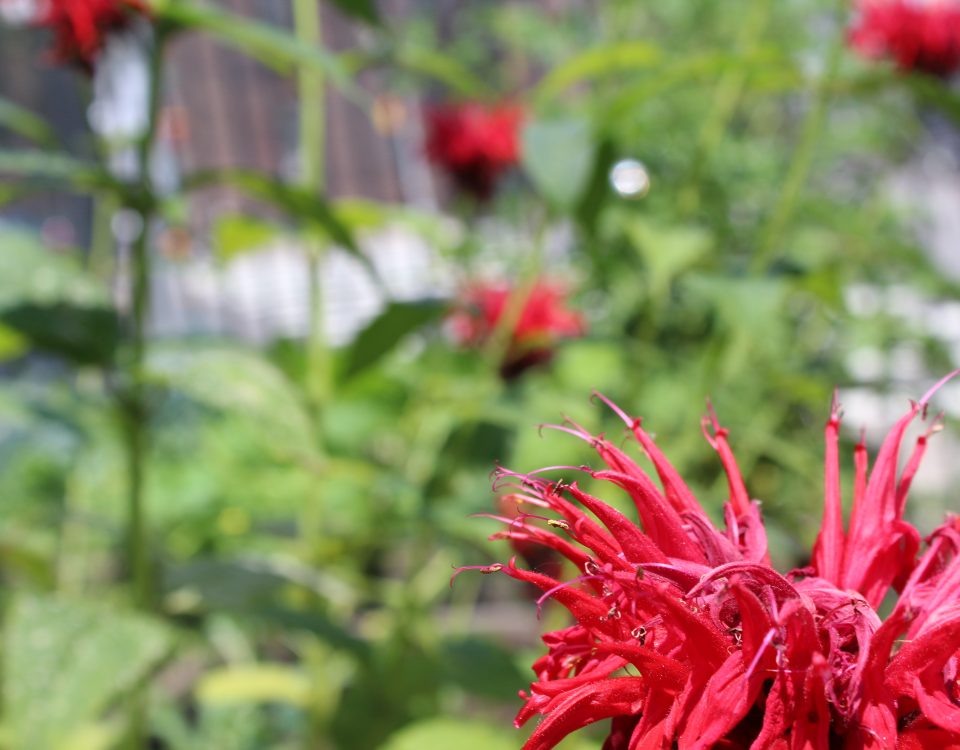
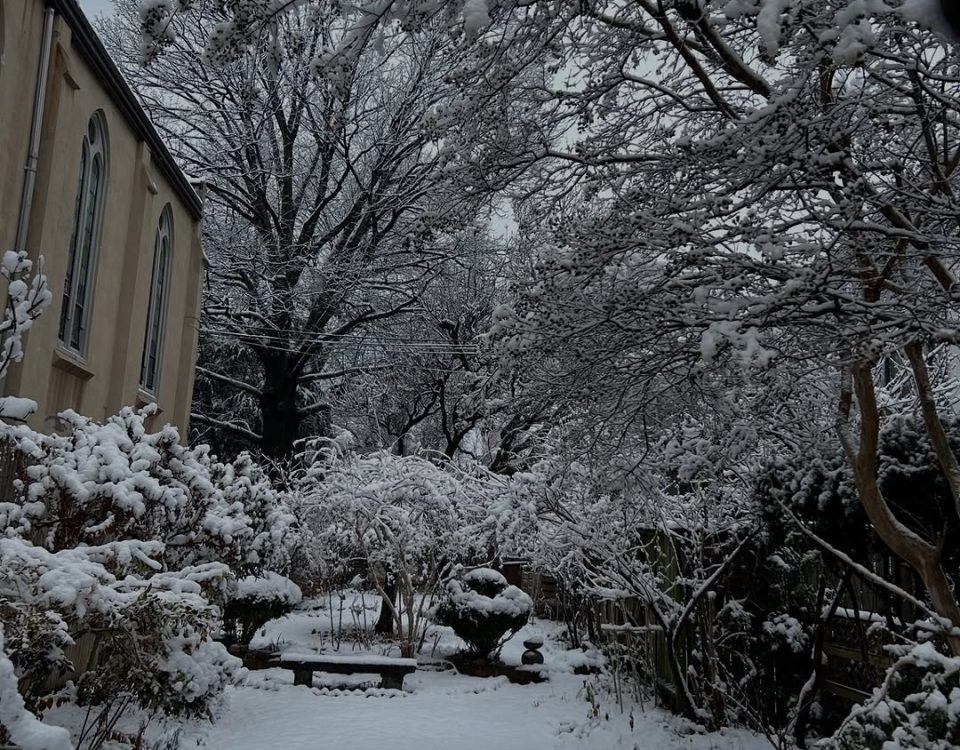
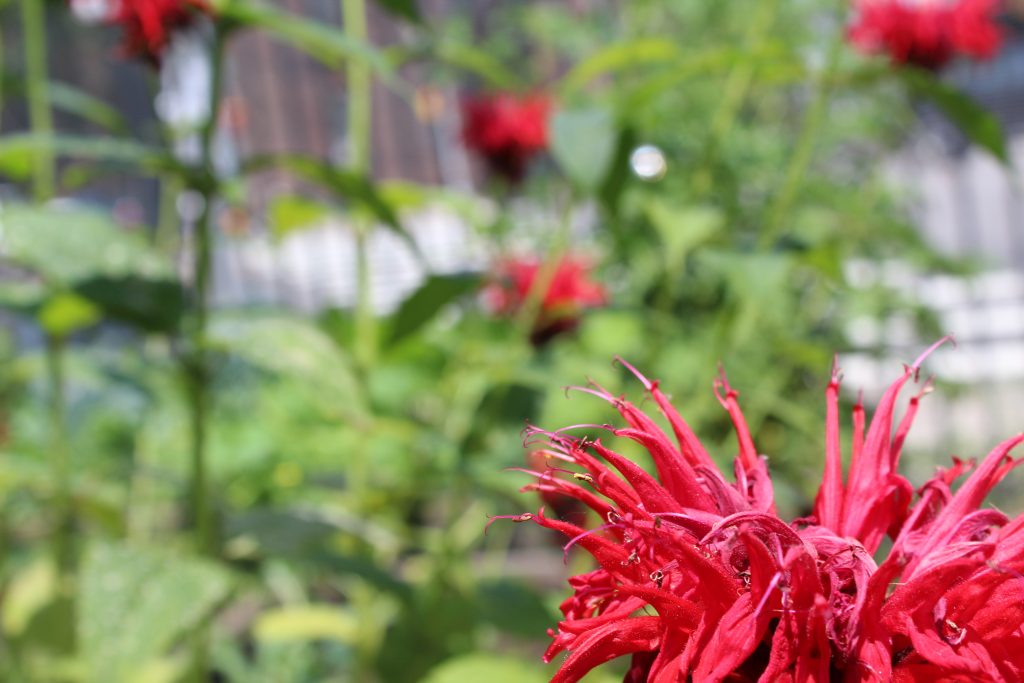
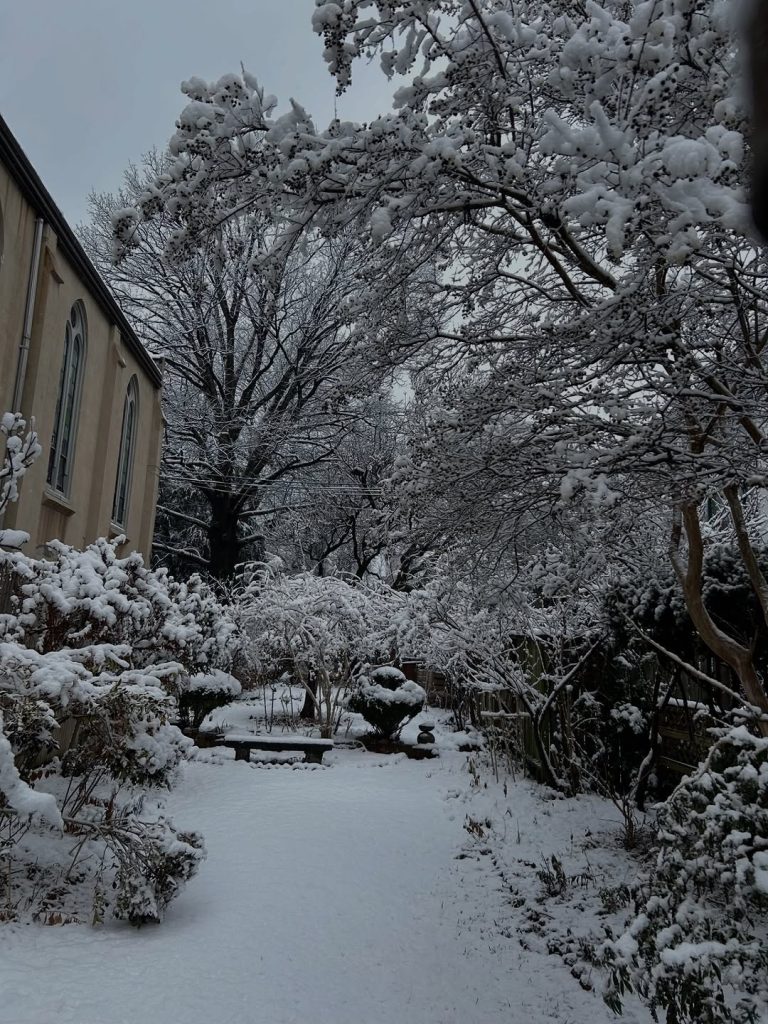
For those of us who have the pleasure of finding community in one of the 550 community gardens that dot our city, we know that these green jewels are a rare space for people to gather and fellowship, rest and find safety. We weed, water, sow, tend, and harvest with our neighbors, all the while providing much needed shade, quiet, and a sweet breath of fresh air for anyone who passes by. Whether we recognize it or not, each garden is already part of an informal resiliency network that has potential to support the surrounding neighborhood in times of climate emergency.

Resiliency within a system is defined as the capacity to withstand, adapt, and recover from stresses. Green spaces in the city do just that: healthy soils and compost absorb storm water, increased tree canopy improves mental and physical health—decreasing stress, cooling neighborhoods, mitigating asthma. But beyond all this, our gardens are containers for reciprocity and exchange. Community gardens are a place where neighbors can meet and deepen relationships. And beyond the gardeners themselves, our spaces host mutual aid and tenants rights meetings, musical performances, cookouts, and educational workshops that strengthen ties.

BQLT gardens are already such vital neighborhood hubs. In addition to that, the land trust model of stewarding land for the public good that drives BQLT is a powerful tool for climate resiliency. In places like the East Bay in San Francisco, organizations are constructing community-led infrastructures situated in gardens to come together around disaster. The
Himmetka preparedness initiative is a project of Sogorea Te Land Trust’, the first Indigenous women-led land trust in the nation. Their mission is to facilitate the return of Indigenous land to Indigenous people. Himmetka means “in one place, together” in Chochenyo and was envisioned to be the place where community could assemble in the event of a disaster. These hubs “provide essential, culturally relevant, resilience and survival support,” and contain supplies, medicines, emergency solar generators, water storage barrels, and more. As Cheyenne Zepeda underscores in this interview, “Land Back is a tool that we are using for emergency preparedness as a way to grow food, a way to grow our medicines, a way to have a hub there in case somebody needs it, to come and pray if they need to.”

As we welcome Climate Week here in New York City, community gardens have the opportunity to stand at the forefront of neighborhood-level climate resiliency, offering a safe space to face the unknown in times of emergency, in one place, together. Yet another reason to protect our land trust—as it protects us and our communities.